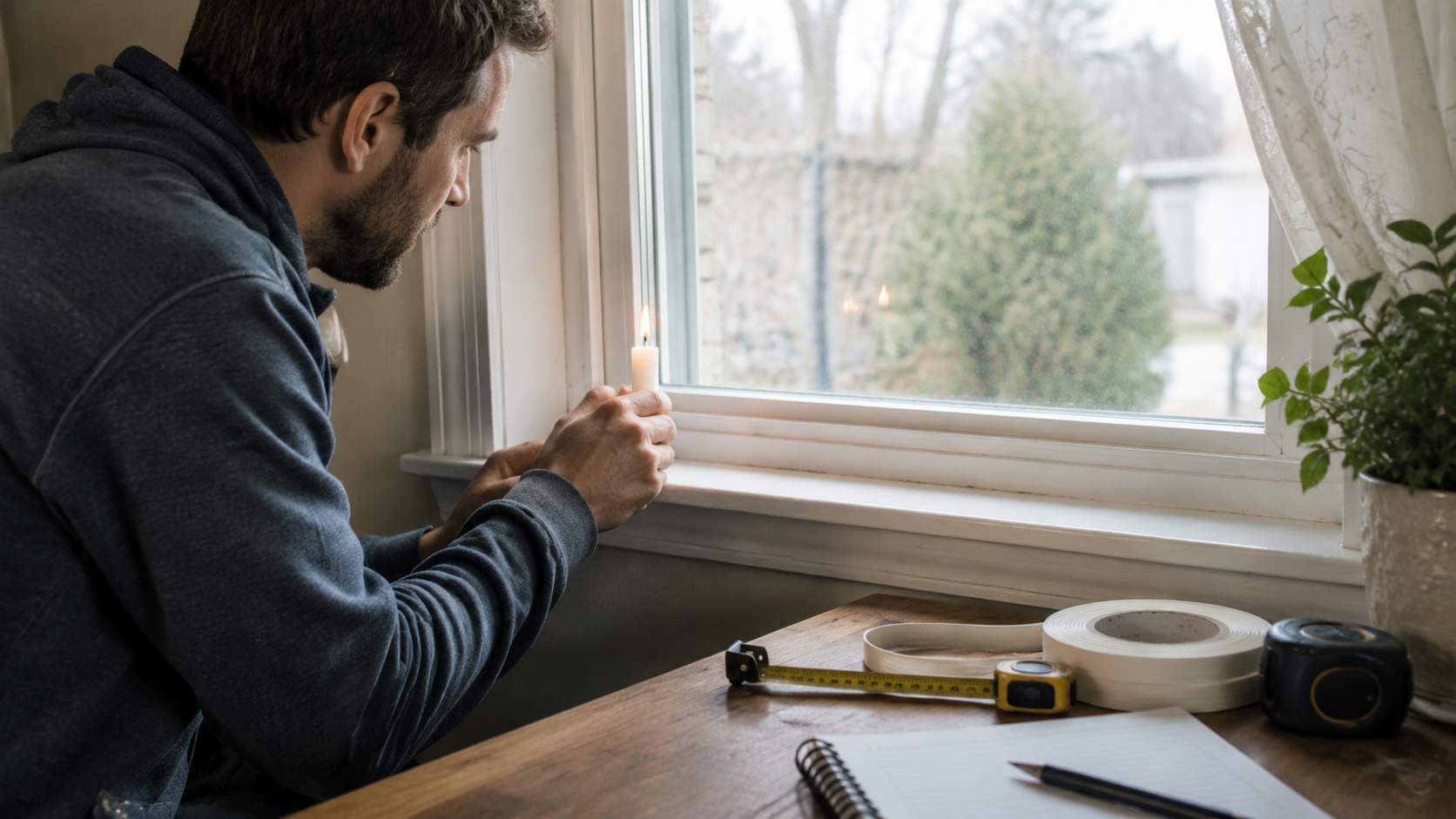
A useful home article should solve a real household problem, not simply show a beautiful room. Fixing Drafty Doors and Windows is about turning a common frustration into a practical plan that a busy household can actually follow. The goal is to make choices clearer: what to do first, what to buy later, what to skip, and how to maintain the result. Use this guide as a starting framework and adapt it to your space, budget, climate, family size, and safety needs.
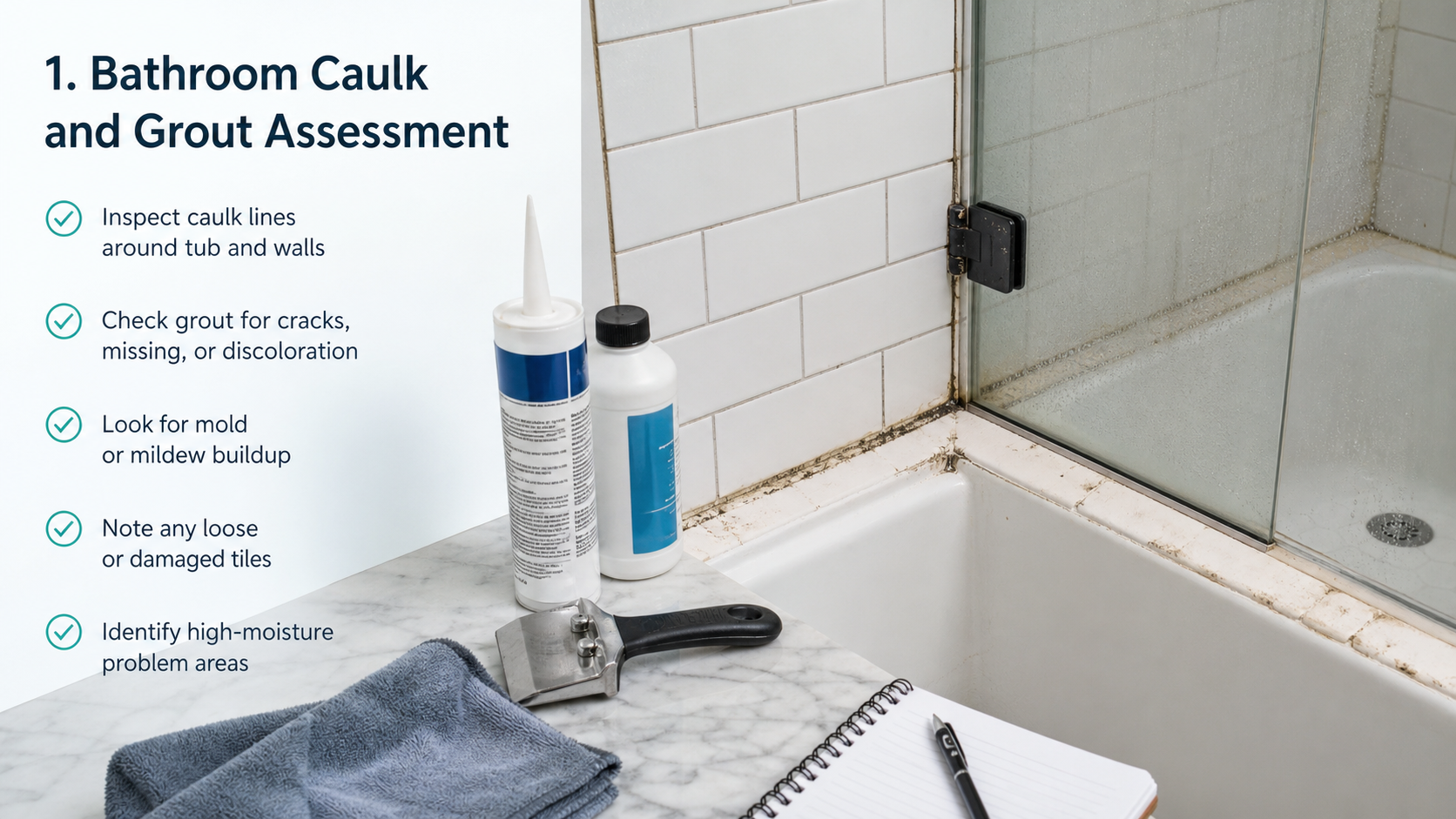
Locate the Air Leak
Begin by writing down the problem in plain language. Do not start with products, colors, tools, or trends. Start with the daily friction: where people trip, what gets dirty, what dies, what breaks, what annoys guests, what stresses pets, or what purchase keeps getting postponed. Take photos of the current setup and note when the problem happens. Morning traffic, weekend projects, rainy weather, holiday hosting, and pet routines all reveal different pain points.
Next, define success in observable terms. A better plan might mean keys land in one tray, herbs survive through summer, counters reset in ten minutes, a draft stops, pet supplies stay contained, holiday boxes are labeled, or a product is easy to maintain. This keeps the project grounded. If the result cannot be described as an action or checklist, it may still be inspiration rather than a solution.
Know When DIY Stops
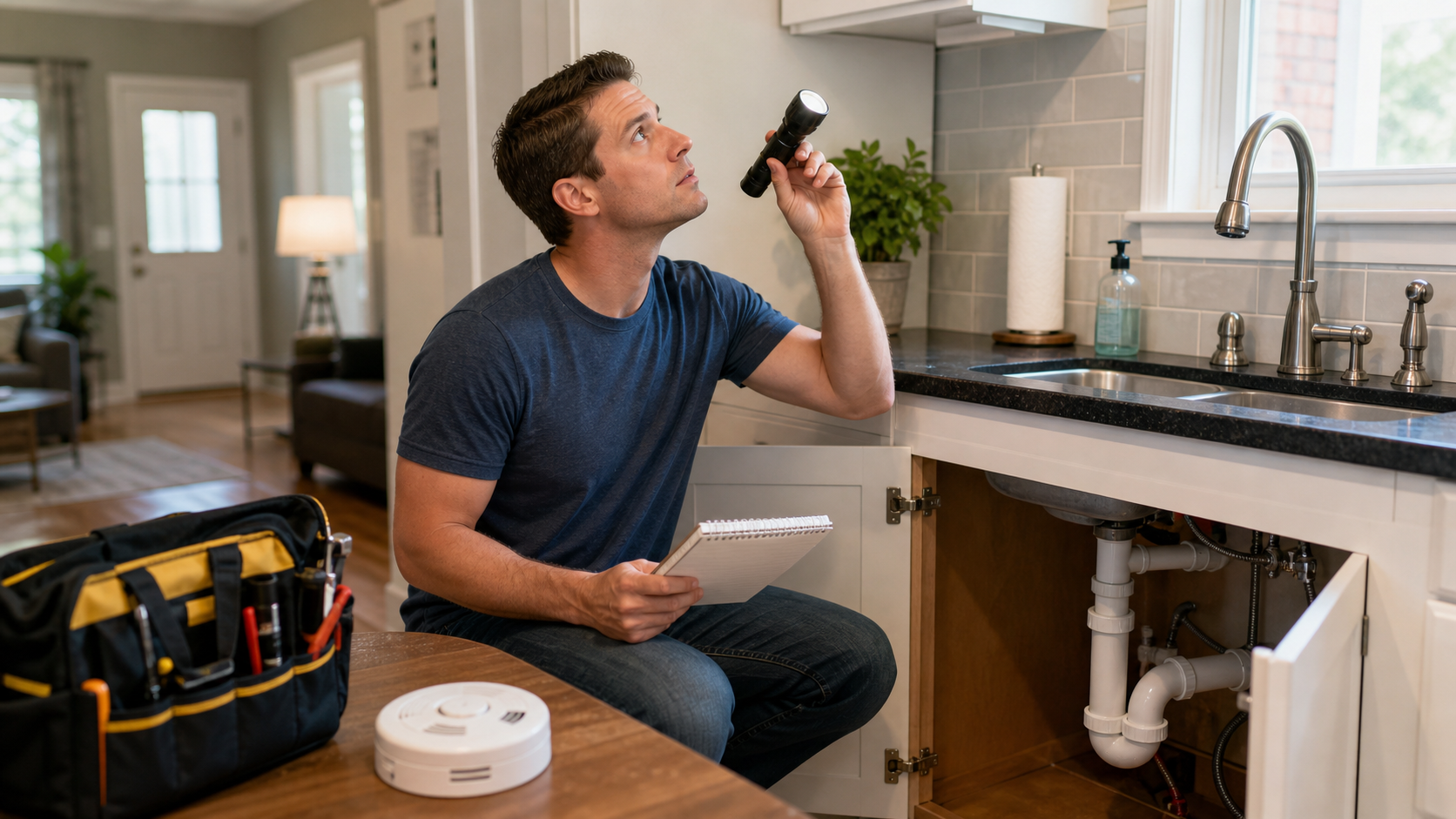
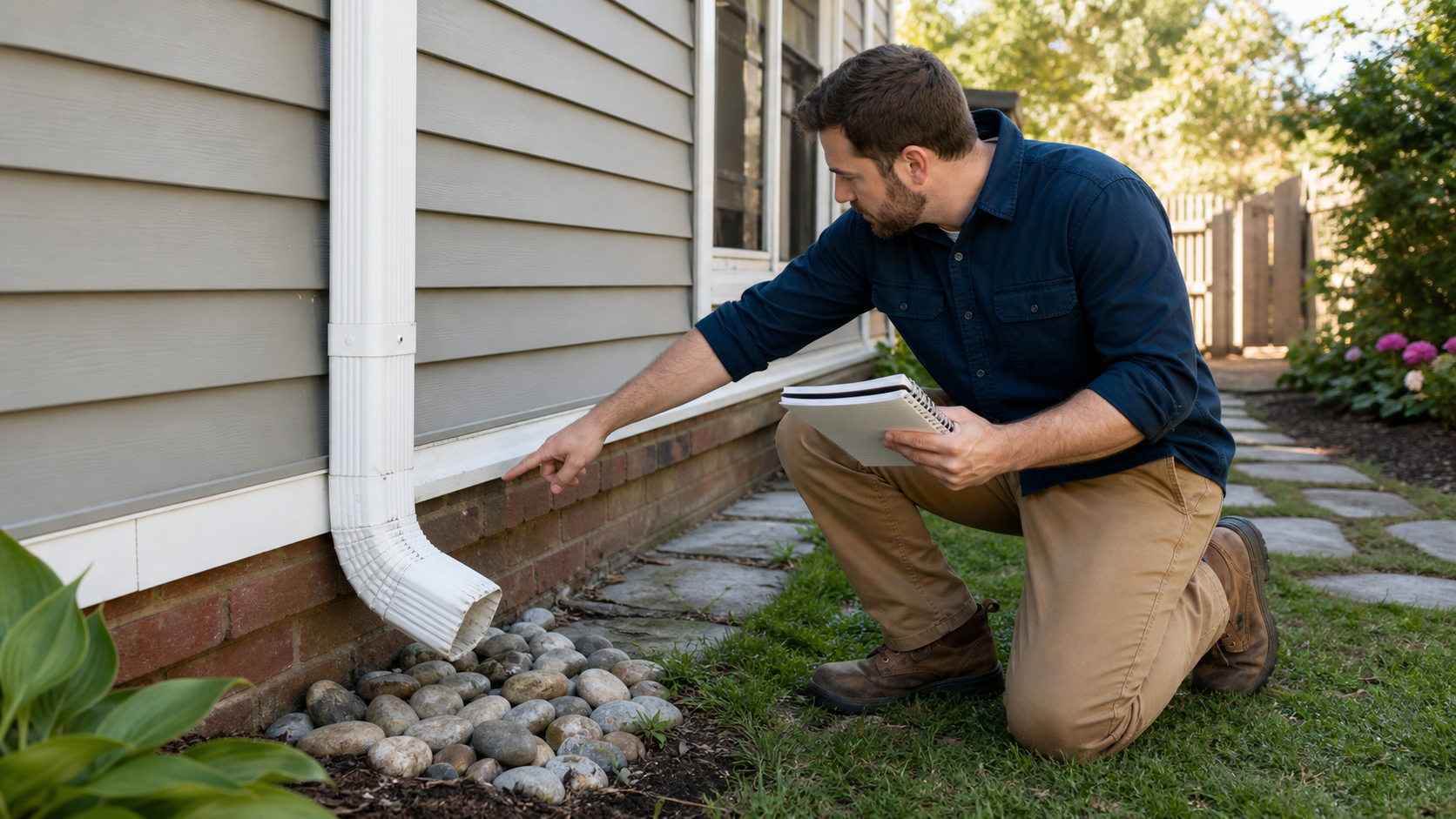
Good household systems respect constraints. Measure the space, check outlets and water access, count storage bins, review safety instructions, and set a spending ceiling before choosing a solution. A small plan that fits the home is better than a dramatic plan that creates more work. If the project affects plumbing, electricity, structure, pet safety, or outdoor drainage, slow down and confirm whether a professional is needed.
Create three options: no-cost reset, low-cost improvement, and paid upgrade. The no-cost reset may involve rearranging, cleaning, labeling, pruning, or removing items. The low-cost improvement might add hooks, containers, weatherstripping, soil, a washable mat, or a basic tool. The paid upgrade should solve a recurring problem, not just add novelty.
Gather Supplies Before Opening the Wall
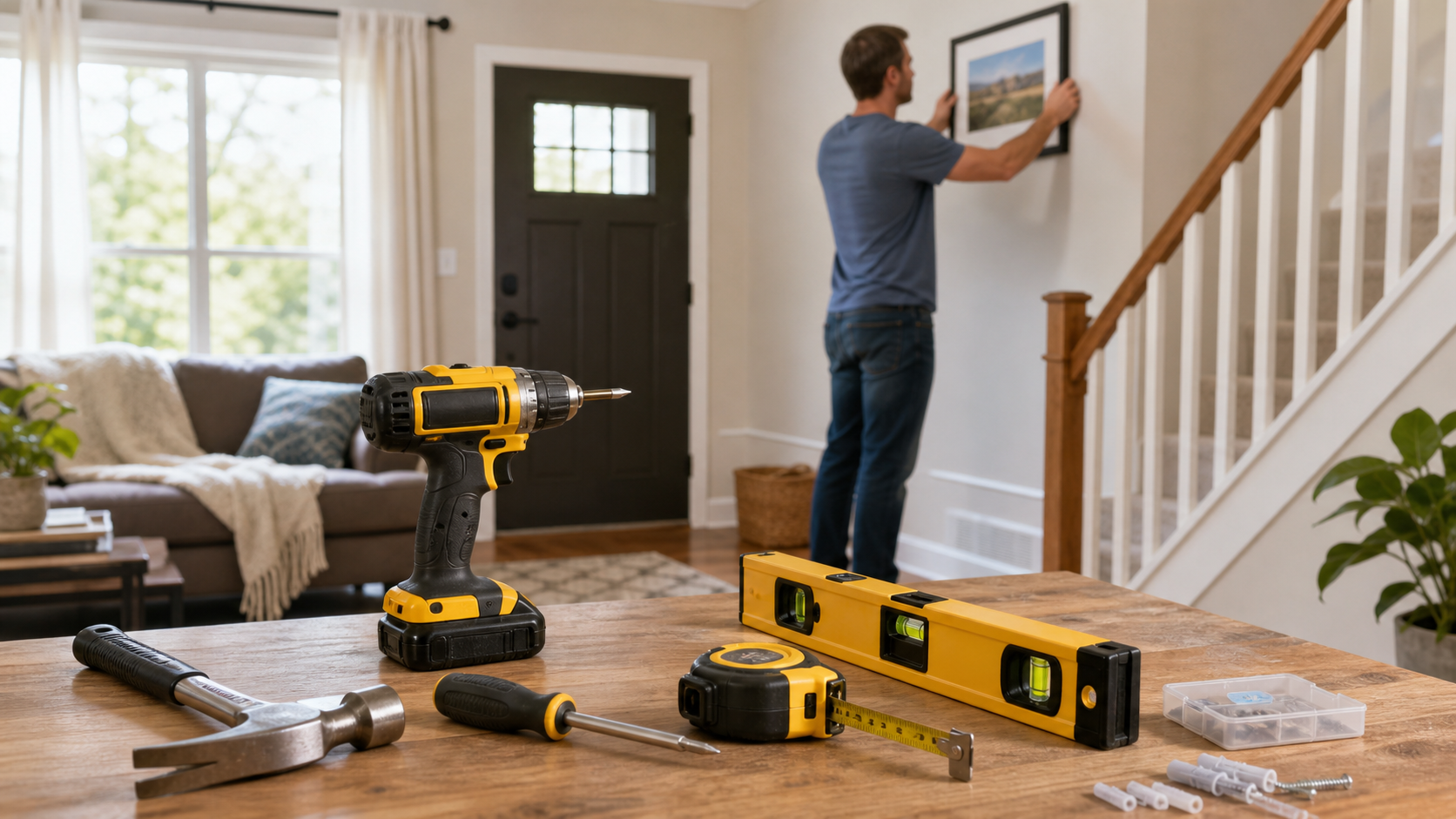
Before buying, list the supplies that directly support the job. Avoid one-purpose items unless the problem repeats often. For example, a container should fit the shelf and the habit; a gardening tool should match the plant and watering routine; a repair tool should match the material; a pet item should be washable and safe; a holiday product should pack away cleanly; a reviewed product should be serviceable and sized to the room.
Use reviews and expert guides to understand tradeoffs, not to copy a single pick. Look for repeated comments about durability, cleaning, setup, storage, noise, replacement parts, and warranty. A product that performs well but is too heavy, too loud, too large, or too fussy may fail in real life.
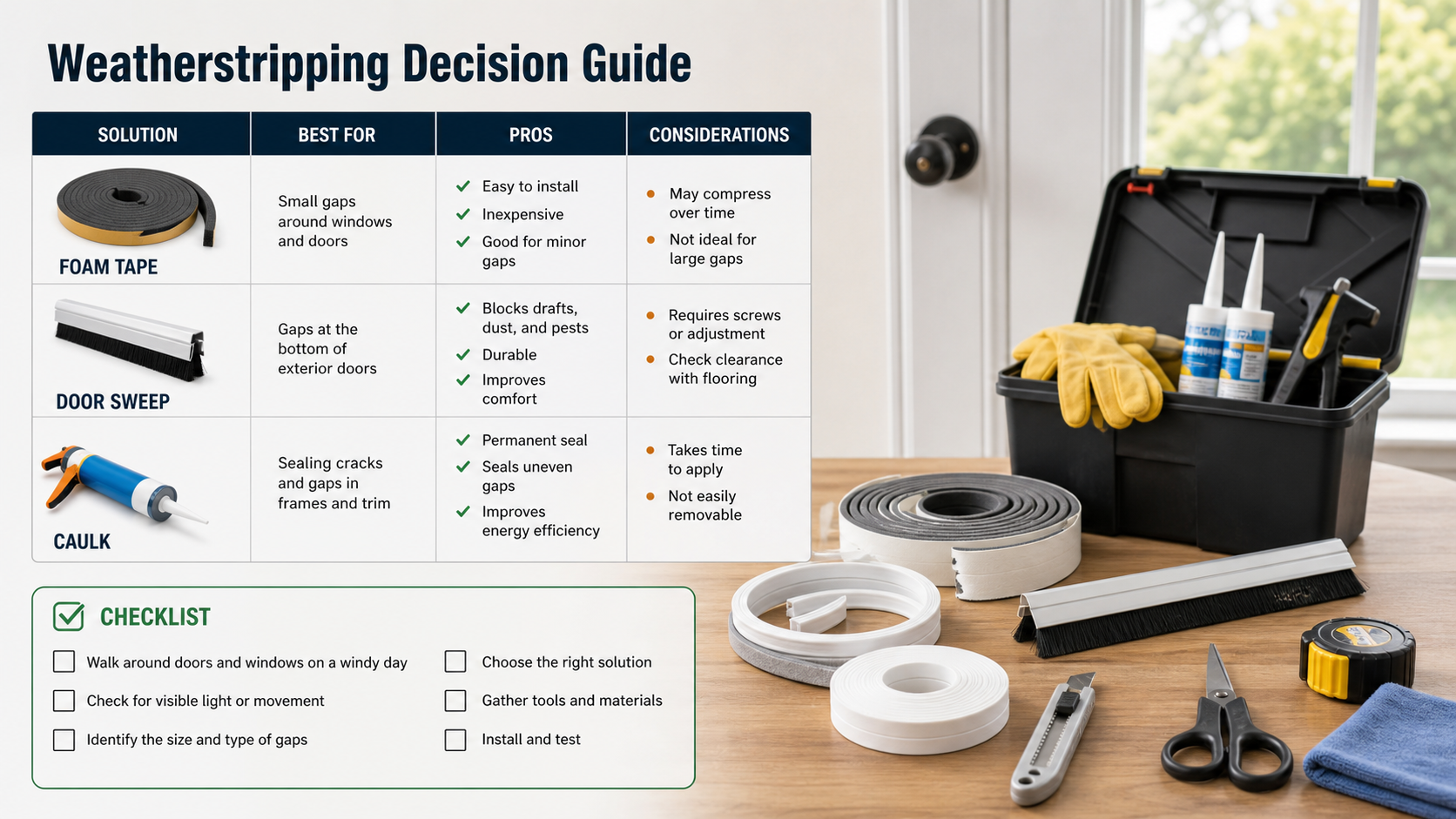
Use a Weatherstripping Decision Guide
Turn the plan into a checklist with four columns: task, supply, owner, and deadline. Keep the first version short. A checklist that gets finished is better than a perfect system that stalls. Start with the task that removes the biggest bottleneck. Then add the supporting tasks: clear the area, clean the surface, install or arrange the solution, label or document it, and schedule the next review.
For buying decisions, add a comparison row for price, size, maintenance, storage, replacement parts, and return window. For routines, add frequency: daily, weekly, monthly, seasonal, or yearly. For visual projects, add a final photo so you can compare whether the change actually improved use.
Document the Fix
A home solution only works if it survives normal life. Revisit the project after one week and again after one month. Ask what still piles up, what still feels hard, what nobody uses, and what became easier. Adjust the system before abandoning it. Move hooks lower, change labels, reduce the number of bins, replace a plant, tighten a screw, change a cleaning interval, or return a product that does not fit.
Conclusion
Fixing Drafty Doors and Windows works best when it starts with a specific household problem and ends with a repeatable system. Use inspiration for direction, but let measurements, routines, safety, maintenance, and real behavior make the final decision. That is how a home becomes easier to live in, not just better to photograph.